
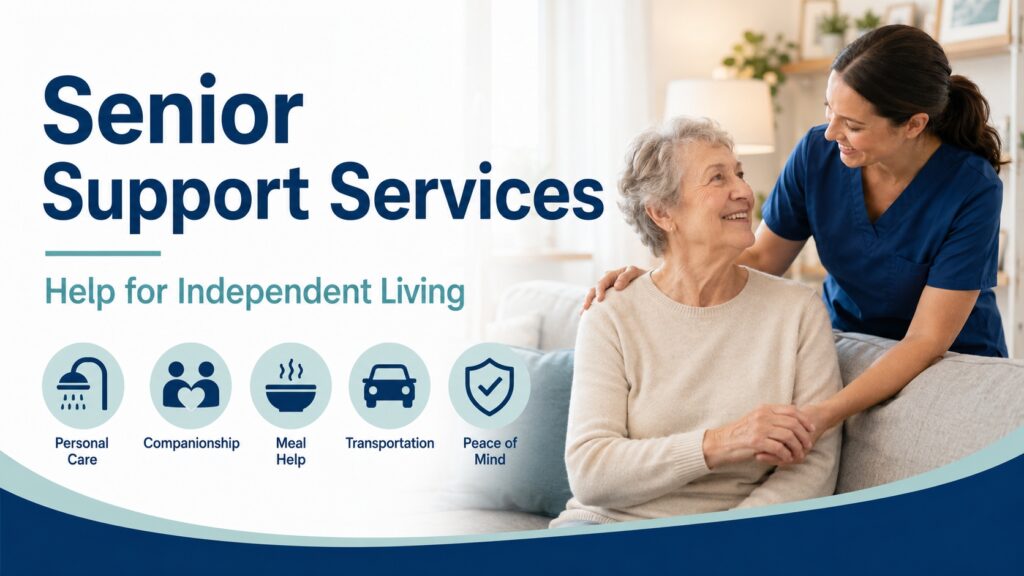
Senior support services help older adults stay safer, more comfortable, and more independent while continuing to live at home. These services can include personal care, companionship, meal preparation, light housekeeping, transportation assistance, medication reminders, help with errands, and support with daily routines that become harder with age.
For many Ohio families, the question is not whether a loved one wants to remain independent. The question is how to make independent living realistic when everyday tasks start becoming stressful, unsafe, or inconsistent. Best Quality Home Care Agency provides non-medical in-home support designed to help seniors and adults with disabilities remain at home with dignity, structure, and dependable care.
What to Know First
| Senior Support Services – At a Glance |
|---|
| Main purpose: Help seniors live more safely and comfortably at home while preserving independence. |
| Common services: Personal care, companionship, meal preparation, light housekeeping, transportation, errands, medication reminders, and daily routine support. |
| Best fit: Seniors who want to age in place, adults with disabilities, and families who need reliable help caring for a loved one. |
| Family benefit: Reduces stress, supports consistency, and gives relatives peace of mind that daily needs are being addressed. |
| Service goal: Keep home life safer, more organized, more social, and easier to manage. |
Senior support services are not one single service. They are a practical combination of care, supervision, companionship, and household assistance. Some seniors need help with bathing and dressing. Others mostly need rides, meals, light housekeeping, or someone to check in regularly. Many families need a flexible mix of services that can change as the situation changes.
That flexibility matters. A senior may be able to live alone safely most of the time but still struggle with grocery shopping, housework, medication routines, or transportation. Another person may need daily personal care and companionship to prevent isolation. A good support plan starts with the person’s real life, not a generic checklist.
What Are Senior Support Services?
Senior support services are programs and in-home services that help older adults manage daily life, stay connected, and remain in the safest setting possible. In a home care context, these services focus on the daily non-medical needs that affect comfort, dignity, independence, and family peace of mind.
The purpose is simple: help seniors continue living with as much control and stability as possible. That may mean helping with meals, keeping the home cleaner, assisting with personal routines, offering companionship, providing transportation, or helping family caregivers avoid burnout.
For seniors who want to age in place, support services can be the difference between struggling alone and living at home with a realistic care structure. They do not remove independence. When done properly, they protect it.

Types of Senior Support Services Families May Need
Every family’s situation is different, but most senior support needs fall into a few major categories. Understanding these categories helps families decide what kind of help is actually needed now and what may be needed later.
Personal Care Support
Personal care helps seniors with private daily routines that may become difficult because of age, illness, disability, weakness, or mobility limitations. These services must be handled with patience and respect because they affect dignity as much as safety.
Personal care may include help with:
- Bathing or showering
- Dressing
- Grooming
- Restroom assistance
- Eating support
- Mobility around the home
- Basic hygiene routines
Families often wait too long to ask for help with personal care because these needs can feel sensitive. But delaying support can create stress for both the senior and the family. A trained caregiver can make daily routines safer and more comfortable while still respecting the client’s privacy and preferences.
Companionship Services
Companionship is one of the most important parts of senior support because isolation can quietly affect health, mood, motivation, and daily function. A senior may have food, medicine, and shelter but still feel lonely or disconnected. Regular companionship helps fill that gap.
Companionship may include:
- Friendly conversation
- Playing cards or board games
- Doing puzzles
- Reading together
- Helping with hobbies
- Sharing meals
- Planning social visits
- Accompanying the client on safe outings
Good companionship is not forced entertainment. It is steady human presence. For some clients, that means conversation and laughter. For others, it means a calm person nearby while they go through their day. The best support matches the senior’s personality rather than pushing a one-size-fits-all routine.
Meal Preparation and Nutrition Support
Meals are a basic daily need, but they are also one of the first routines to slip when someone becomes tired, forgetful, physically limited, or less interested in cooking alone. Senior support services can help make meals more consistent and less stressful.
Meal support may include:
- Planning simple meals
- Preparing food at home
- Helping with safe kitchen routines
- Supporting hydration reminders
- Encouraging regular eating patterns
- Helping organize groceries or pantry items
- Providing companionship during meals
This kind of support is especially useful when a family notices skipped meals, spoiled food, poor appetite, or too much dependence on snacks and convenience foods. A caregiver can help make mealtime feel normal again without turning it into a medical lecture.
Light Housekeeping and Homekeeping
A clean and organized home supports safer independent living. Light housekeeping is not deep cleaning, but it helps prevent everyday household tasks from becoming overwhelming. This can make a major difference for seniors who want to remain at home but cannot keep up with the house the way they used to.
Light housekeeping may include:
- Laundry
- Dishes
- Changing bed linens
- Dusting common surfaces
- Wiping kitchen counters
- Light bathroom upkeep
- Taking out trash
- Clutter control
- Keeping walkways clearer and easier to navigate
These tasks may sound small, but they affect safety and comfort every day. A sink full of dishes, laundry piling up, or clutter in the hallway can make home life feel harder and less safe. Regular help keeps the home more manageable and helps family visits feel less like emergency cleaning sessions.
Help With Daily Tasks
Many seniors do not need constant care, but they do need help with ordinary tasks that have become harder to complete consistently. Daily task support fills the gap between full independence and higher-level care.
This may include help with:
- Getting ready for the day
- Organizing personal items
- Preparing for appointments
- Light household routines
- Mail sorting
- Simple errands
- Maintaining a regular daily schedule
- Keeping frequently used items within reach
Small support at the right time can prevent larger problems later. When daily tasks are managed consistently, seniors often feel less overwhelmed, and families get a clearer picture of how their loved one is doing at home.
Transportation and Errands
Transportation is a major part of independence. When a senior stops driving or becomes uncomfortable traveling alone, daily life can shrink quickly. Doctor appointments, grocery trips, pharmacy visits, community activities, and social outings all become harder.
Transportation assistance may include:
- Rides to medical appointments
- Trips to the grocery store
- Pharmacy pickups
- Errands
- Accompaniment to social visits
- Support getting in and out safely
- Help with planning appointments or outings
This service is about more than transportation. It helps seniors remain connected to the outside world. A ride to a doctor’s appointment matters, but so does a ride to a coffee shop, family visit, or community event when it supports emotional well-being.
Medication Reminders
Medication routines can become difficult when there are multiple prescriptions, changing schedules, memory issues, or simple confusion about timing. Non-medical caregivers do not replace nurses or doctors, but they can provide reminders that help clients stay more consistent with prescribed routines.
Medication reminder support may include:
- Verbal reminders
- Helping the client follow an established schedule
- Noticing if doses appear to be missed
- Reminding families about concerns
- Supporting a more predictable daily routine
This type of support is especially helpful when medication timing is part of a larger daily care plan involving meals, hydration, personal care, and safe movement around the home.
In-Home Support Services

In-home support services are often the most practical option for seniors who want to stay in familiar surroundings. The home already contains memories, routines, and personal comfort. The right support allows a senior to remain there longer while reducing risk and stress.
Why In-Home Support Works
In-home support works because it meets the person where they actually live. Instead of forcing the senior to adapt to a new environment immediately, care is built around their home, habits, schedule, and preferences.
For families, this can be a more gradual and less disruptive way to add care. A loved one might begin with a few weekly visits for meals, housekeeping, and companionship. Later, if needs increase, the plan can expand to include more personal care, longer visits, transportation, or more structured daily support.
Support for Aging in Place
Aging in place means remaining at home as long as it is safe and realistic. Senior support services make that goal more practical by addressing the everyday issues that often push families toward more intensive care too soon.
Support for aging in place may include:
- Keeping the home cleaner and more organized
- Helping with safe daily routines
- Reducing isolation
- Supporting meals and hydration
- Helping with personal care
- Watching for changes in condition or behavior
- Giving families regular backup
Independence does not have to mean doing everything alone. Often, the right help is exactly what allows independence to continue.
Community Support Services
Senior support does not stop at the front door. Community support services can help older adults stay socially connected, informed, mobile, and engaged. These resources may come from local agencies, senior centers, nonprofits, health systems, or family support organizations.
Transportation Assistance and Community Access
Community connection often depends on transportation. Without reliable rides, seniors may miss appointments, avoid social activities, delay errands, or become more isolated. Transportation support helps keep life moving.
Best Quality Home Care Agency can support families by helping seniors with safe outings, errands, and appointment-related routines when included in the care plan. This keeps transportation from becoming another source of stress.
Case Management and Care Coordination
Case management can be useful when multiple services, appointments, benefits, or providers are involved. Families often need help understanding what is happening, what should happen next, and which supports should be prioritized.
In a home care setting, care coordination may include reviewing daily needs, adjusting the care plan, communicating concerns, and helping families organize support around the senior’s real situation.
Behavioral Health and Emotional Support
Senior support should include emotional well-being. Older adults may face loneliness, anxiety, grief, memory changes, or discouragement as life becomes more limited. While non-medical caregivers do not replace mental health professionals, regular support and companionship can help reduce isolation and create a more stable daily rhythm.
Activities such as conversation, games, puzzles, shared meals, social planning, and gentle encouragement can help seniors feel more connected and less alone.
When It May Be Time to Ask for Senior Support
Families often know something is changing before they know what to call it. A loved one may still be living independently, but daily life starts to show signs of strain.
It may be time to consider senior support services if you notice:
- Missed meals or poor nutrition
- Unwashed dishes or laundry piling up
- Difficulty bathing, dressing, or grooming
- Increased isolation or loneliness
- Missed appointments
- Medication routines becoming inconsistent
- Unsafe clutter or trip hazards
- Family members becoming overwhelmed
- A senior avoiding activities they used to enjoy
- More frequent confusion, fatigue, or frustration with daily tasks
These signs do not always mean a crisis is happening. Often, they mean the current level of support is no longer enough. Adding help early can prevent stress from building and may help the senior remain at home longer.
In-Home Support vs. Community Support
| In-Home Support | Community Support |
|---|---|
| Personal care | Senior centers |
| Meal preparation | Community meal programs |
| Light housekeeping | Transportation programs |
| Companionship at home | Social activities |
| Medication reminders | Benefits guidance |
| Help with daily routines | Caregiver support groups |
Both types of support can be valuable. Community programs may help with meals, transportation, education, or social connection. In-home services help with the daily routines and personal support that happen inside the home. Many families benefit from using both.
How Senior Support Services Help Family Caregivers
Family caregivers often carry more than they admit. They may manage groceries, appointments, medication reminders, cleaning, meals, finances, and emotional support while also working and caring for their own households. Over time, this can become exhausting.
Senior support services help by sharing the load. A professional caregiver can take on routine daily tasks, provide companionship, help with meals, assist with personal care, and keep the home more manageable. That gives family members breathing room and reduces the feeling that everything depends on them alone.
This support also changes the quality of family visits. Instead of spending every visit cleaning, rushing, or solving problems, relatives can spend more time simply being present with the person they love.
Support Services for Independent Living
Independent living does not mean a senior has to handle every task without help. It means the person can continue making choices, following familiar routines, and staying involved in daily life with the right level of support.
Empowering Seniors Without Taking Over
Good care supports independence rather than replacing it. That means caregivers should encourage participation when possible, respect preferences, and avoid taking over tasks the client can still safely do.
For example, a caregiver may prepare ingredients while the senior participates in choosing the meal. They may fold laundry together. They may walk with the client instead of rushing them. They may keep items within reach while still allowing the client to control their routine.
Assistance With Personal and Household Affairs
Some seniors need light help staying organized. This may include sorting mail, preparing for appointments, keeping track of simple household routines, or helping the family notice when bills, documents, or personal matters need attention.
Non-medical caregivers do not replace legal or financial professionals. But they can support everyday organization and help families see when additional help may be needed.
Aging-in-Place Resources
Aging in place may require a combination of home care, family support, community programs, home safety changes, and medical coordination. A senior may need grab bars, clearer walkways, better lighting, meal support, transportation, or scheduled caregiver visits.
The goal is to make the home safer and the routine more sustainable. When support is organized well, aging in place becomes more than a wish. It becomes a realistic plan.
Why Choose Best Quality Home Care Agency
Best Quality Home Care Agency provides senior support services for families who want dependable, respectful, non-medical help at home. Our services are built around the client’s daily life: how they move, eat, rest, socialize, and manage household routines.
Families choose us when they need help that is personal, practical, and flexible. A senior may need companionship today, meal preparation tomorrow, and more personal care later. A strong care plan should be able to adapt without making the family start from scratch.
Our caregivers help seniors with the tasks that affect real daily comfort: meals, hygiene, light housekeeping, companionship, errands, transportation, and routine support. Just as important, they provide steady human presence, which can make home feel less lonely and more secure.
How to Get Started
Getting help does not have to begin with a crisis. Families can start with a conversation about what is becoming difficult and what kind of support would make home life easier.
A practical first step is to list the top concerns:
- Is the senior eating regularly?
- Is the home clean and safe enough?
- Are medications being taken consistently?
- Is personal care becoming difficult?
- Is the senior isolated?
- Are family caregivers overwhelmed?
- Are appointments, errands, or transportation becoming a problem?
Once those needs are clear, a care plan can be built around the services that matter most. Some families begin with a small amount of help and increase support later. Others need a more structured plan from the start.
Bottom Line for Families
Senior support services help older adults live more safely, comfortably, and independently at home. The right support may include personal care, companionship, meals, light housekeeping, transportation, medication reminders, help with errands, and daily routine assistance.
For families, these services reduce stress and create a more stable care environment. For seniors, they protect dignity and make everyday life easier to manage. If your loved one wants to remain at home but needs more help than before, senior support services can provide the practical bridge between independence and dependable care.
Best Quality Home Care Agency helps Ohio families create in-home support plans that fit real needs, real routines, and real family concerns.
FAQs
1. What are senior support services?
Senior support services are in-home and community-based services that help older adults live more safely and independently. They may include personal care, companionship, meal preparation, light housekeeping, transportation, medication reminders, and help with daily routines.
2. What kinds of help can seniors receive at home?
Seniors can receive help with bathing, dressing, grooming, meals, laundry, light housekeeping, errands, transportation, medication reminders, companionship, and mobility around the home.
3. How do senior support services help families?
They reduce the pressure on family caregivers by providing dependable help with daily tasks, companionship, personal care, meals, and household routines. This gives families more peace of mind and helps prevent caregiver burnout.
4. Can senior support services help with aging in place?
Yes. Senior support services can make aging in place more realistic by helping with daily routines, home safety, meals, companionship, transportation, and personal care so seniors can remain at home longer.
5. When should a family consider senior support services?
Families should consider support when a loved one is missing meals, struggling with hygiene, falling behind on chores, becoming isolated, missing appointments, forgetting medication routines, or when family caregivers are becoming overwhelmed.
