
Ohio Senior Assistance Programs: Housing, Benefits, Home Care, and Help for Caregivers
Ohio seniors may be able to get help with housing, meals, utilities, transportation, home care, caregiver respite, legal support, and protection from scams or abuse. The challenge is usually not that help does not exist. The challenge is knowing which programs apply, where to start, and which services can make daily life safer and easier right now.
If you are helping an older parent, spouse, or family member, the most practical first step is to look at a few core areas: safe housing, food and medication support, transportation, in-home help, and financial assistance. Once those basics are covered, it becomes much easier to build a plan that supports independence at home and reduces stress for the whole family.
What to Know First
- Housing support may include senior apartments, home repair grants, accessibility modifications, and local aging resources.
- Financial help may include SNAP, energy assistance, Medicaid waiver support, and local emergency aid.
- Daily living support may include home care, meal services, housekeeping help, transportation, and medication support.
- Protection services may include Adult Protective Services, ombudsman support, and fraud prevention resources.
- Family caregiver support may include respite programs, education, and local guidance through Area Agencies on Aging.
Families often search for “elderly help” when they are already juggling several problems at once. A loved one may need safer housing, help with meals, transportation to appointments, or just more daily support than relatives can provide alone. That is why a page like this works best when it does not treat these services as separate academic topics. In real life, they are connected.
An older adult who cannot get to appointments may also have trouble getting groceries. Someone who struggles with housing repairs may also face higher utility costs and mobility barriers at home. A family caregiver who is burned out may also need respite, education, and help finding reliable non-medical home care. The best approach is to look at the situation as a whole and then use Ohio’s available programs to reduce risk, fill gaps, and keep the person safer and more stable.
Core Needs Ohio Seniors Often Face
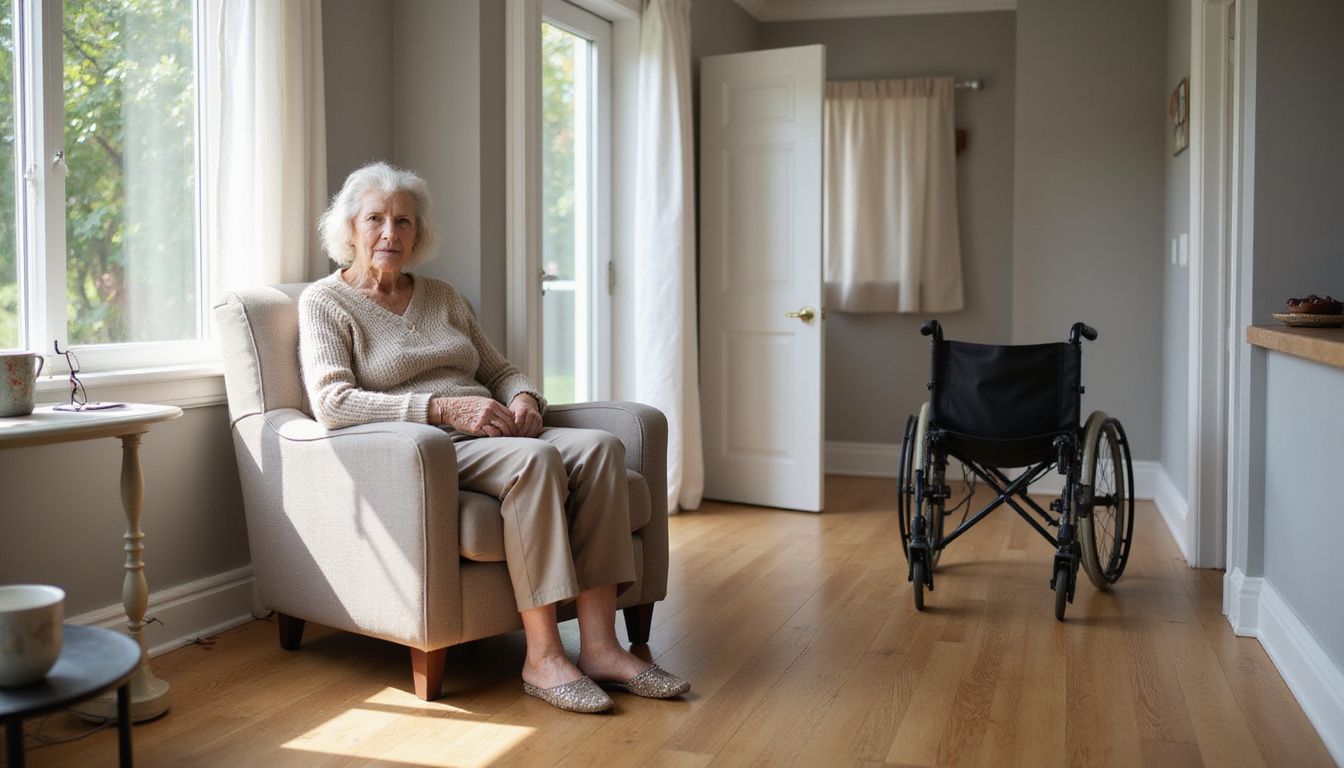
Older adults in Ohio do not all need the same kind of support, but the same categories come up again and again. Safe housing, medical and non-medical care, financial stability, social contact, protection from abuse, and practical household help are some of the biggest factors that shape quality of life.
For many seniors, the goal is not simply to get through the day. It is to remain in familiar surroundings with enough support to live with dignity and reasonable independence. That may mean finding a more suitable apartment, getting grab bars installed, using meal programs, applying for utility assistance, or bringing in professional home care for help with daily routines.
Housing and Home Safety
Housing affects everything else. A home that is affordable, accessible, and safe makes it easier to manage daily life, stay healthier, and avoid preventable injuries. Some seniors do well in independent living or senior apartment settings. Others want to remain in their own homes but need modifications such as ramps, grab bars, better lighting, stair support, or bathroom updates.
Even modest changes can make a major difference. A safer bathroom, clearer entry path, or better accessibility setup can be the difference between aging in place and needing a more disruptive move.
Health, Nutrition, and Daily Support
Many seniors need help not only with medical care, but with the daily tasks that keep life functioning. That can include meal planning, medication reminders, housekeeping, transportation, and personal care. Nutrition support is especially important, since missed meals or poor diet can intensify weakness, chronic illness, and recovery problems.
Families also need realistic support, not just broad advice. When daily chores, medication routines, and transportation become unreliable, the risk of crisis rises quickly. That is where organized services and local senior programs become practical, not theoretical.
Housing Options and Repair Support for Ohio Seniors
Housing decisions for older adults usually fall into two broad paths: stay at home with better support, or move into housing that is already designed for older adults. Neither option is automatically better. The right fit depends on safety, budget, mobility, available family help, and the person’s own preferences.
Senior Housing Apartments and Independent Living
Senior housing apartments can work well for adults who want a simpler, lower-maintenance environment with built-in safety features and age-friendly design. Depending on the property, this may include wheelchair access, emergency call features, safer bathrooms, social opportunities, and reduced maintenance burdens.
For some older adults, this kind of setting preserves independence while removing responsibilities that have become physically difficult. For others, staying at home still makes more sense, especially if the house can be made safer and the right support services are added.
Home Repairs and Accessibility Modifications
Many Ohio seniors live in homes that still work emotionally but no longer work physically. Steps become harder, bathrooms become riskier, roofs or wiring may need repair, and energy costs may rise because the property is no longer efficient. Home repair and modification programs can help close that gap.
Common needs include:
- Installing ramps or railings for safer access.
- Adding grab bars or shower modifications to reduce fall risk.
- Fixing roofs, plumbing, wiring, or other hazards that affect safety.
- Updating insulation or windows to improve efficiency and lower utility burdens.
- Adapting bathrooms and entryways for mobility limitations.
These changes support the larger goal of aging in place. They do not simply improve the property. They help preserve independence and reduce the physical strain of daily life at home.
Why Local Access Can Vary
Not every part of Ohio has the same level of program availability or repair capacity. Rural communities may face longer wait times or fewer contractor options, while urban areas may have stronger program networks but also more demand. Families should be prepared for some variation by county or region and use local aging agencies and community organizations to identify what is realistically available nearby.
Financial Help for Everyday Senior Needs
Financial pressure is often what turns a manageable situation into a stressful one. Food, energy bills, medications, transportation, and care costs all add up. Ohio seniors may qualify for multiple forms of assistance, but they are often spread across different programs and agencies.
Food Assistance and SNAP
SNAP can help low-income seniors afford groceries and reduce financial pressure around basic nutrition. It may not solve every food problem by itself, but it can still be one of the most useful support programs for households trying to stretch limited income.
For older adults living alone or on fixed income, food assistance can make it easier to maintain healthier routines instead of skipping meals or relying too heavily on low-cost convenience foods.
Energy Assistance and Utility Relief
Heating and utility bills can be a serious burden, especially during colder months. Programs such as HEAP and weatherization-related support can help reduce that pressure. For many seniors, utility assistance is not just about saving money. It is about keeping the home livable and reducing the fear of falling behind on essential bills.
Energy support also matters because it connects directly to housing stability. A home that cannot be heated comfortably or affordably becomes much harder to remain in safely.
Medication Cost Assistance
Prescription costs can become overwhelming for seniors who take multiple medications or live on limited budgets. Discount cards, patient assistance programs, and local guidance services may help reduce those costs. Families should not assume that medication affordability has only one solution. Often it takes a combination of insurance review, discount resources, and local support to make medication routines sustainable.
Funeral and End-of-Life Expense Help
Although families do not always think about it until they must, end-of-life costs can place a major burden on older adults and their relatives. Some local or township-based support may be available in limited situations, and this is one reason legal planning and local guidance matter. A practical senior assistance page should acknowledge this need rather than pretend it does not exist.
Health, Nutrition, and Preventive Support
Senior well-being is shaped by much more than medical treatment. Ongoing nutrition, preventive care, prescription access, and structured daily routines all influence how long a person can remain independent and how stable their overall health feels.
Meal Delivery and Community Nutrition Programs
Meal services help seniors who cannot shop or cook consistently, and they also reduce isolation for those who benefit from regular contact. Home-delivered meal programs can support nutrition in a very practical way. Congregate dining programs can also give older adults a reason to leave the house, share meals, and stay connected to community life.
For families, meal support often becomes one of the first major relief points. When regular nutrition is no longer dependent on whether a relative can stop by and cook or shop, the whole care situation becomes more stable.
Preventive Health Checks
Routine screenings and checkups matter because they catch problems earlier, before they create larger limitations. Vision care, hearing support, medication review, blood pressure checks, diabetes monitoring, and other preventive measures can help seniors stay on top of manageable issues instead of waiting until they become emergencies.
Programs that support appointment access, transportation, or care coordination can indirectly improve health outcomes simply by making it more likely that seniors keep up with routine care.
Why Nutrition and Health Support Belong Together
Nutrition, chronic disease management, medication access, and mobility all overlap. Someone who is undernourished may feel weaker and become less active. Someone who cannot get medications consistently may struggle to manage blood pressure or diabetes. Someone who cannot get to appointments may lose touch with preventive care. Looking at these issues together makes it easier to build a realistic support plan.
Home Care and Daily Living Support
For many families, the most urgent need is not a government benefit but practical help at home. A loved one may still want to remain in familiar surroundings but may no longer be managing daily tasks safely or consistently. Home care can help bridge that gap.
What Non-Medical Home Care Can Help With
Depending on the care plan, non-medical home care may include support with:
- Personal care and hygiene routines
- Companionship and social support
- Meal preparation and nutrition support
- Light housekeeping and homekeeping
- Medication reminders
- Transportation help or escort support
- Daily routine support that makes living at home more manageable
For seniors who are not yet ready for facility care, this kind of help can reduce strain and prolong independent living. It also helps families who are trying to support a loved one without taking on every task alone.
How Home Care Fits with State Assistance Programs
Some seniors may qualify for support through Medicaid waiver programs or related care arrangements that help keep them at home rather than in institutional settings. Eligibility varies, and not every family will qualify. Even so, it is worth checking because in-home support is often exactly what allows the person to remain safer, more comfortable, and less isolated.
Families should think of home care not as a generic extra service, but as one of the main tools that connects daily living, safety, and caregiver relief.
Transportation and Mobility Support
Transportation is easy to underestimate until it becomes a barrier. If an older adult cannot reach appointments, grocery stores, pharmacies, or community activities reliably, independence shrinks fast.
Community Transportation Options
Senior shuttles, volunteer transportation, nonemergency medical transport, and local ride support programs can help fill this gap. In some areas, wheelchair-accessible vehicles and door-to-door services may also be available.
Transportation matters because it touches almost every other category on this page. It affects food access, healthcare access, social engagement, and legal or financial appointments. A strong assistance plan should treat transportation as a core support, not an afterthought.
Accessible Transit and Paratransit
Where regular transit is difficult to use, paratransit and accessibility-focused services may offer a workable alternative. Families should check what is available locally and whether the senior qualifies for reduced fares, special scheduling, or mobility-focused transport help.
Protection from Abuse, Exploitation, and Scams
No senior assistance guide is complete without talking about protection. Abuse, neglect, and financial exploitation remain major risks for older adults, especially those who are isolated, cognitively impaired, or dependent on others for support.
Adult Protective Services
Adult Protective Services can respond when there are concerns about abuse, neglect, or exploitation. Families should not wait for absolute certainty before seeking guidance. If something feels wrong, it is better to ask questions early than to delay until the harm grows worse.
Financial Safety and Scam Prevention
Seniors are frequently targeted by scams, fraudulent calls, suspicious requests for private information, and financial manipulation. Families should watch for signs such as unusual withdrawals, new “helpers” influencing finances, unexplained debt, or pressure around account access.
Protecting seniors financially is not only about fraud hotlines. It is also about maintaining communication, reviewing suspicious activity, and helping older adults feel safe speaking up when something does not seem right.
Ombudsman and Rights Protection
When seniors live in assisted living or long-term care settings, ombudsman programs can help address complaints and protect residents’ rights. This is an important layer of support for families who need outside advocacy in institutional settings.
Support for Family Caregivers
Many Ohio families are not just looking for help for a senior. They are also trying to hold together the caregiving system around that person. That can mean coordinating appointments, managing medications, shopping, cleaning, cooking, checking in constantly, and absorbing the emotional weight of watching someone decline.
Respite Programs
Respite care matters because caregivers cannot function indefinitely without breaks. Short-term in-home support, day programs, or community respite options can give family members time to rest, work, recover, or simply step away without feeling that they are abandoning the person they care about.
Education, Support Groups, and Practical Guidance
Support groups, counseling, workshops, and local senior service guidance can help caregivers avoid burnout and make better decisions. Families often need more than sympathy. They need a workable next step, a local referral, a better understanding of program eligibility, or a realistic care plan.
That is why caregiver support belongs in this article. When caregivers are unsupported, seniors are often less safe too.
Legal Help and Advocacy for Ohio Seniors
Legal issues can add another layer of stress to aging. Seniors may need help with benefits problems, housing disputes, financial exploitation concerns, estate planning, healthcare decisions, or questions about rights in care settings.
Legal Assistance and Elder Rights
Legal aid and elder advocacy services can help protect seniors when they are vulnerable or unsure how to handle official systems. This kind of support may be especially important when the issue involves housing stability, financial pressure, or long-term care disputes.
Why Legal Guidance Matters Early
Waiting too long tends to narrow options. Questions about power of attorney, benefits, elder abuse, housing problems, or financial exploitation are often easier to handle earlier than later. Families should not assume legal help is only for dramatic court problems. Sometimes it is most helpful as a preventive step.
Employment, Skills, and Community Engagement for Older Adults
Not every senior is focused only on benefits or care. Many older adults want continued activity, purpose, part-time work, training, or stronger community connection. Programs that support learning, work participation, or volunteering can help preserve confidence and social engagement.
For some people, this may mean paid community service training or skill-building opportunities. For others, it may simply mean staying connected through community centers, classes, and local programs. A strong senior assistance guide should leave room for this too, because help is not only about crisis response. It is also about staying active and involved.
How to Start Finding Help Without Getting Overwhelmed
Families often get stuck because there are too many possible directions at once. The fastest way to make progress is to simplify the situation into categories and address the most urgent ones first.
- Start with safety. Is the person safe where they live right now? If not, housing modifications, home care, or protective guidance come first.
- Stabilize daily basics. Look at meals, medications, transportation, utilities, and household management.
- Check financial eligibility. Explore SNAP, energy assistance, Medicaid-related options, and local aging resources.
- Use local aging agencies. Area Agencies on Aging and similar organizations can often point families toward region-specific programs.
- Build a realistic care plan. Combine public resources, family support, and professional services where needed instead of expecting one program to solve everything.
The goal is not to memorize every program. The goal is to make the next useful move.
Bottom Line for Ohio Families
Ohio seniors may be able to get meaningful help with housing, meals, utilities, transportation, home care, caregiver respite, legal support, and protection from abuse or financial exploitation. The most important thing is to stop treating these needs as isolated problems and start looking at them as a connected support system.
If a loved one is struggling, start with the basics: housing safety, food, medications, transportation, and reliable daily support. Then build outward into caregiver respite, legal help, community resources, and long-term planning. That approach is usually more practical than chasing one perfect program.
Best Quality Home Care Agency helps Ohio families navigate daily support needs with compassionate in-home care, companionship, homekeeping, and personal assistance that can make aging at home more realistic and less stressful.
Selected Resources
- Ohio Department of Job and Family Services – Adult Protective Services
- Ohio Department of Development – Emergency Home Repair and Related Housing Support
- Ohio Waiver Services Information
- Meals on Wheels / Nutrition Support Resource
- Ohio Ombudsman Program Overview
FAQs
1. What assistance programs are available for seniors in Ohio?
Ohio seniors may be able to get help with housing, home repairs, SNAP, energy assistance, meal programs, transportation, Medicaid waiver services, caregiver respite, legal support, and protection from abuse or financial exploitation.
2. How can I find help for an elderly parent who wants to stay at home?
Start by looking at home safety, daily living support, meal access, medication needs, and transportation. Then check local aging resources, Medicaid-related options, and non-medical home care services that can support aging in place.
3. Does Ohio offer help with home care for seniors?
Yes. Depending on the person’s needs and eligibility, seniors may be able to access in-home support through Medicaid waiver programs, local resources, or private non-medical home care services.
4. Where can family caregivers in Ohio get support?
Family caregivers may be able to use respite programs, support groups, workshops, and Area Agency on Aging resources to reduce stress and get practical guidance.
5. What should I do if I suspect elder abuse or financial exploitation?
Contact Adult Protective Services or the appropriate local authority as soon as possible. If there is a concern about fraud or exploitation, gather details early and seek guidance rather than waiting for the problem to grow.
